Rybnik University Education Network
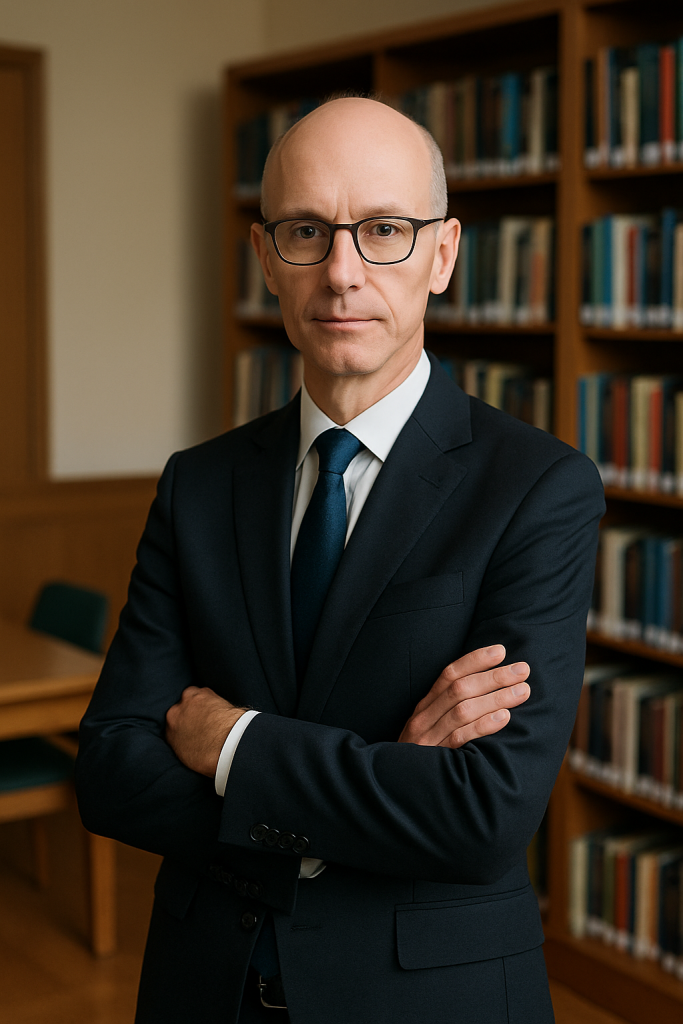
Prof. Dr. Mihai SERBAN
Prof. Dr. Mihai SERBAN
Professor of Sociology & Social Work | PhD in Social Sciences
“Understanding society begins with listening to people. My mission is to teach not only how to analyze social structures, but how to transform them through empathy, research, and action.”
I am a sociologist, researcher, and social policy consultant with over 20 years of experience in teaching, community development, and applied social research. My work bridges academic sociology with the realities of social work practice—empowering students and professionals to see the human stories behind social data.
Currently serving as Professor of Sociology and Social Work at Babeș-Bolyai University, Cluj-Napoca, I lead research on social inequality, family dynamics, and the impact of digitalization on human relationships. I also collaborate with NGOs and public institutions in designing evidence-based social programs for vulnerable communities.
My academic philosophy combines scientific rigor with human compassion. I believe that education in sociology and social work must go beyond theory—it should inspire moral responsibility and civic engagement.
Contact & Connect
Email: Prof.Dr.MihaiSERBAN@RybnikUniversity.edu.pl
LinkedIn: linkedin.com/in/
Schedule Consultation: calendly.com/
About Me
Academic Credentials
PhD in Sociology
Dissertation: “Social Cohesion and Marginalization in Post-Industrial Europe: A Comparative Study”
Master of Social Work and Community Development
(2004)
Bachelor of Sociology and Anthropology
(2001)
Professional Certifications
- Certified Social Worker (European Federation of Social Workers – 2020)
- Certificate in Research Ethics & Social Policy – UNESCO (2018)
- Advanced Training in Community Mediation and Conflict Resolution – OSCE (2015)
- Trainer Accreditation – (2013)
Professional Experience
Professor of Sociology & Social Work
| 2015 – Present
- Courses in Social Theory, Research Methods, and Community Intervention
- Director of the Center for Applied Social Research and Innovation (CASRI)
- Supervised 10 PhD theses and 40+ master’s dissertations
- Co-founder of the Social Impact Lab, mentoring student-led social initiatives
- Consultant for UNICEF and UNDP social inclusion programs in Eastern Europe
Associate Professor of Sociology
| 2008 – 2015
- Taught Social Policy, Sociology of the Family, and Qualitative Research Methods
- Coordinated national study on youth unemployment and social integration
- Conducted research on migration, rural development, and civic participation
Social Work Practitioner & NGO Coordinator
| 2002 – 2008
- Designed and implemented social programs for families in crisis and at-risk youth
- Supervised field teams in 10 rural communities across Transylvania
- Led training sessions for social workers and volunteers on ethical case management
Publications & Research Contributions
Conferences & Keynotes:
- “AI and the Future of Social Work” – International Sociology Congress, Paris (2024)
- “Social Policy and Justice in the Age of Inequality” – European Welfare Forum, Brussels (2023)
- “Youth, Migration, and Belonging” – Global Social Sciences Symposium, Lisbon (2022)
Teaching Experience
University Courses:
- Introduction to Sociology
- Theories of Social Change
- Social Policy and Welfare Systems
- Research Methods in Social Sciences
- Ethics and Values in Social Work
- Community Development and Empowerment
Workshops & Applied Practice:
- Field research and social diagnosis
- Social case management and supervision
- Participatory community planning
- NGO management and advocacy
Mentorship & Supervision:
- Academic advisor for sociology and social work students
- Mentor for Erasmus+ projects on youth inclusion
- Trainer for continuing education of social professionals
What I Teach
1. Sociology & Social Theory (All Levels)
- Classical and contemporary sociological thought
- Structure, culture, and social interaction
- Critical theory and globalization studies
2. Research Methods in Social Sciences (Intermediate to Advanced)
- Quantitative and qualitative data collection
- Field research, focus groups, and interviews
- Data analysis with SPSS and NVivo
3. Social Work & Case Management (Intermediate)
- Needs assessment and intervention planning
- Working with families, children, and marginalized groups
- Ethics, empathy, and reflective practice
4. Community Development (Advanced)
- Participatory planning and local governance
- Social entrepreneurship and innovation
- Program evaluation and social impact measurement
5. Social Policy & Welfare Systems (All Levels)
- Comparative welfare models
- Policy design and evaluation
- Human rights and social justice frameworks
Teaching Philosophy & Methodology
My Approach:
Sociology and social work are not only sciences—they are commitments to understanding and improving the human condition. My teaching is based on dialogue, critical inquiry, and real-world engagement.
Learning Model:
- Theory to Practice – Linking academic knowledge with lived experience
- Collaborative Learning – Group projects and peer discussions
- Field Engagement – Case studies and community visits
- Reflection & Ethics – Emphasis on self-awareness and professional integrity
Core Teaching Values:
- Empathy: Understanding before judging
- Rigor: Grounding social action in scientific evidence
- Empowerment: Teaching students to become agents of change
- Collaboration: Building bridges between academia and society
Student Testimonials
Testimonial 1:
“Professor Popa has an extraordinary ability to connect theory with life. His classes changed how I see people and communities.”
— Ioana V., Master’s Student in Social Work
Testimonial 2:
“He challenges you intellectually but supports you personally. I discovered my passion for community development thanks to his mentorship.”
— Daniela P., NGO Project Coordinator, Cluj
Testimonial 3:
“Every lecture feels like a dialogue about the world we live in. Professor Popa inspires a deep sense of responsibility and hope.”
— Mihai R., Sociology Graduate
Rates & Scheduling
Private Mentoring / Academic Tutoring (Sociology & Social Work)
- Individual Sessions: 220 PLN/hour (€48/hour)
- 10-Session Package: 1,950 PLN (10% off)
- 20-Session Package: 3,600 PLN (18% off)
Group Workshops (2–5 participants):
- 350 PLN/hour total
Availability:
- Weekdays: 17:00 – 21:00 CET
- Saturdays: 09:00 – 15:00 CET
- Sundays: By appointment
Booking Process:
- Email your learning or research goals
- Schedule a free 20-minute consultation
- Receive your personalized mentoring plan
Cancellation Policy:
- 24h notice: no charge
- <24h: 50% fee
- No-show: full session fee
Languages
Romanian – Native
English – Fluent (C2 level)
French – Intermediate (B1 level)
German – Reading proficiency
Professional Memberships
- International Sociological Association (ISA) – Member since 2012
- European Association of Schools of Social Work (EASSW) – Senior Member
- International Sociological Society –t (since 2020)
- European Network for Social Policy Research – Contributor
Additional Information
Work Environment: Dedicated academic office equipped for hybrid teaching; access to SPSS, NVivo, and digital collaboration platforms.
Student Requirements: Curiosity about human behavior, interest in social justice, and willingness to engage in reflective discussions.
Preferred Student Profile: Students of sociology, social work, psychology, or public policy; professionals in NGO or social services.
Current Projects: Principal investigator of “Youth Transitions and Digital Society” (Horizon Europe Project, 2025–2028) and co-editor of “Social Work Ethics in a Post-Pandemic World” (Palgrave Macmillan, 2025).
‘Theory to Practice’ is an essential principle highlighted by Prof. Dr. Serban, reflecting an understanding that knowledge should translate into action, especially in fields like sociology and social work where real-world issues need addressing urgently! I believe this approach will cultivate more responsible professionals who are prepared for challenges ahead.
I find it commendable that Prof. Dr. Mihai Serban emphasizes dialogue and critical inquiry in his classes. This encourages students not just to absorb information but to engage actively with the material and each other. His research interests also seem very relevant, especially concerning social inequality and family dynamics in today’s society.
The emphasis on empathy and ethical responsibility in Prof. Dr. Serban’s teaching philosophy stands out to me. It’s crucial for students in social work to develop these values, as they will be working with vulnerable populations. His experience in community development also adds an important layer of practical knowledge that students can benefit from.
It’s great to see an academic like Prof. Dr. Serban engaging with NGOs and public institutions for designing evidence-based programs for vulnerable communities. This connection between academia and real-world application can lead to meaningful change, which aligns well with the goals of sociology as a field dedicated to understanding and improving society.
The breadth of courses offered by Prof. Dr. Mihai Serban reflects a well-rounded curriculum that prepares students for various aspects of sociology and social work practice. I am particularly interested in the focus on community development, as this area often gets overshadowed yet plays a significant role in societal change.
I appreciate the multifaceted approach that Prof. Dr. Mihai Serban takes in his work. The combination of academic rigor with a focus on human stories is essential for sociology and social work to be effective. It’s interesting to see how he connects theoretical frameworks with real-world applications, which can truly empower students and communities alike.
‘Empowerment’ is one of the core teaching values mentioned by Prof. Dr. Mihai Serban, which resonates strongly with me as it suggests a commitment not just to educate but also to inspire action among students towards positive societal impact—something we desperately need today across many communities worldwide.
‘Social Policy & Welfare Systems’ is another key area taught by Prof.Serban that many could benefit from given today’s complex socio-economic landscapes around the world! As someone interested in policies impacting marginalized groups, I would love to see more discussions centered around innovative policy solutions during lectures.
Prof. Dr. Serban’s integration of digitalization into discussions about human relationships is particularly relevant in our current age of technology. Understanding how these changes impact social dynamics is vital for future social workers and sociologists, making his research contributions valuable not only academically but also practically.